Feng Shui Crystal Placement: Where to Put Crystals in Your Home for Balanced Energy

You bought the bracelet, the tower, the pocket stones — and then set them down wherever there was space. After a thousand studio consultations, here is the uncomfortable truth: feng shui crystal placement matters nearly as much as the stone itself, because a crystal shapes the energy already in a room. In this guide you will learn where to place crystals in your home with the five elements compass, our room-by-room shortlist, and the wealth corner ritual clients ask about most.
Why Does Feng Shui Crystal Placement Matter So Much?
Because in feng shui a stone does not create energy — it gives form to the qi already moving through your space. Place a crystal where qi flows smoothly and it works like a tuning fork; park it in a stagnant corner and it mostly amplifies stillness. Placement, not price, decides whether a crystal helps a room, which is why we teach feng shui crystal placement as the first lesson.
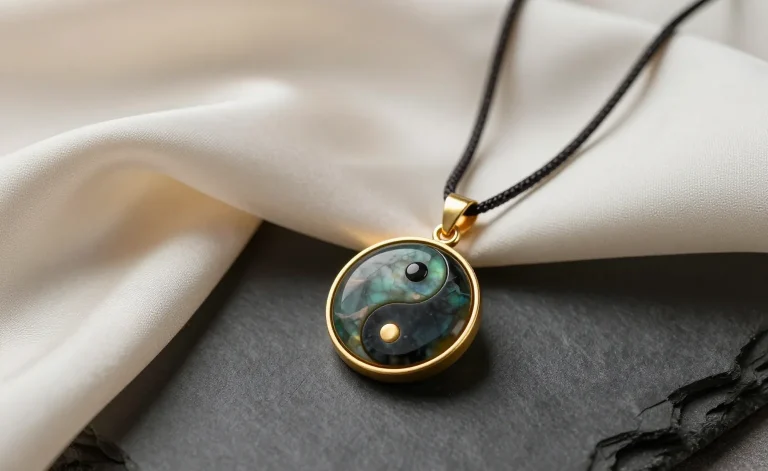
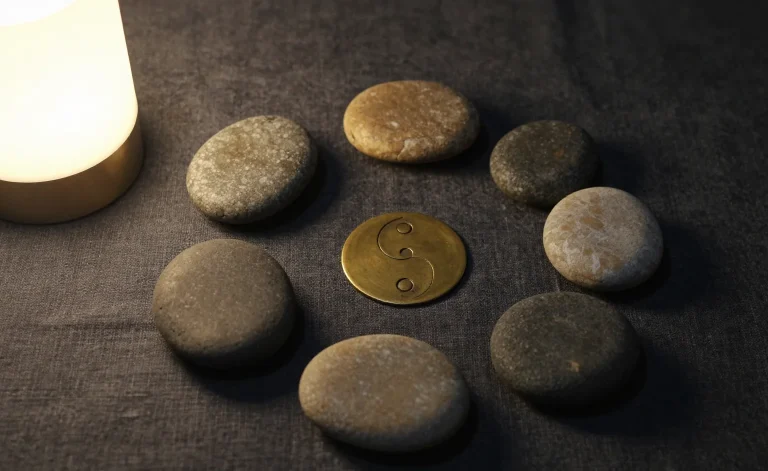
The School of Naturalists, the pre-Qin philosophers led by Zou Yan, read the world through yin and yang and the five elements — a system born from ancient sky-watching and a five-season calendar. A crystal — stone formed under the earth’s slow pressure, as gemologists at the Gemological Institute of America explain — carries that vocabulary into your home.
Where to Place Crystals in Your Home: Start with the Bagua Map
Map the home before you move a single stone. The bagua divides any floor plan into nine life areas, from wealth to career. Intention picks the address; the crystal picks the voice.
When someone asks us where to place crystals in your home for the first time, we give three house rules. First, intention before furniture: name one purpose for each stone, or it becomes decor. Second, favor the command position — a spot where the crystal can “see” the door. Third, never block flow: good feng shui crystal placement needs a clear path for qi before a stone can steady it.
Crystal Placement by Direction: A Five Elements Compass
Classical feng shui assigns an element to each direction: East is Wood, South is Fire, West is Metal, North is Water, and the center is Earth. Crystal placement by direction means matching a stone’s character to the element of its direction so the two reinforce each other; clash them, and even an expensive crystal sits in a room like an uninvited guest. It is the oldest layer of feng shui crystal placement, and still the most reliable.
East: Wood, Growth and New Beginnings
The East belongs to Wood, the element of growth and expansion — the classical texts pictured a sapling bending and pushing upward. This makes the eastern wall the address for beginnings — a new project, a course of study, a chapter you want to grow into. We usually recommend green stones here, especially green aventurine, whose color echoes the element. Pair the stone with a living plant and the corner starts behaving like a seedbed.
South: Fire, Warmth and Recognition
The South is Fire — heat and ascension, the element that rises. This direction governs reputation and visibility; it is the most yang of the four. Warm red and orange stones belong here: cinnabar has served this purpose in Chinese homes for centuries, and carnelian carries a gentler version of the same fire — we have written more about carnelian for creativity and motivation. One caution: a single stone on the southern wall reads as a hearth; a shelf of red crystals as anxiety.
West: Metal, Refinement and Letting Go
The West is Metal, the element of refinement and contraction — the classics described it as ore being drawn into something useful. This direction suits the work of endings: closing a project, releasing a grudge, simplifying a room. Clear quartz and other pale, precise stones are our picks for the west, and a metal bowl under the crystal strengthens the theme. If a corner collects broken objects you keep meaning to fix, decide there — repair it or let it go.
North: Water, Flow and Deep Rest
The North belongs to Water — flow and introspection, the element that moves downward and inward. It is the most yin of the directions, cool rather than warm, and it governs career and the long view of a life. Dark, glassy stones sit well here: black obsidian gives the north a quiet depth, while moonstone brings a softer, moonlit quality. We often add a small mirror nearby — Water is strengthened by its own reflection.
Center: Earth, Grounding for the Whole Home
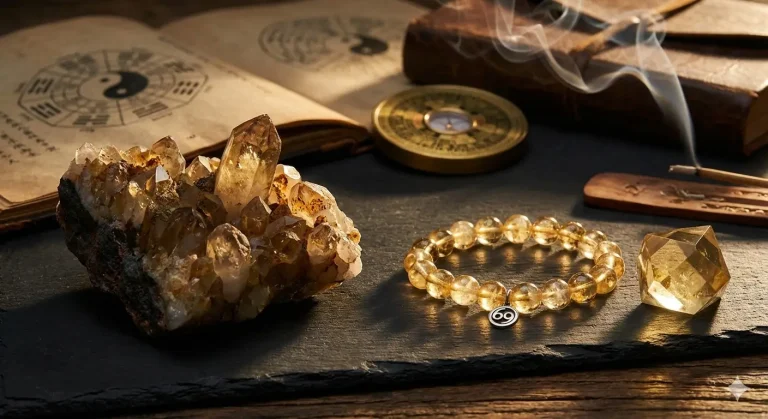
The center of the home is Earth — grounding and nourishment, the element the classics called “sowing and reaping.” Yellow and earth-toned stones belong here: a cluster of citrine on the central table acts like a hearth stone, feeding steadiness to every room. The elements also feed each other in a generating cycle — Wood feeds Fire, Fire creates Earth, Earth bears Metal, Metal collects Water, Water grows Wood — so a balanced center quietly supports the whole compass. If you only make one feng shui crystal placement today, make it here.
The Best Crystals for Each Room of Your Home
Match the stone to the room’s natural rhythm. Active, brightly used rooms are yang and benefit from bright, energizing stones; quiet rooms are yin — stillness is yin, motion is yang — and ask for soft, restful ones. That means citrine in the living room, amethyst in the bedroom, a protective dark stone at the entry. Here is our studio shortlist of the best crystals for each room, from real homes.
Entryway: Black Obsidian or Black Tourmaline
The entry is the mouth of qi — everything the home takes in passes through it, including the moods of everyone who walks through. A protective dark stone beside the door acts as a threshold filter, and black obsidian is our standard pick because it is dense, affordable, and hard to damage. If your door opens onto a long hallway, the need doubles. For the same logic applied to workspaces, see our guide to the best crystals for protection from negative energy.
Living Room: Clear Quartz and Citrine
The living room is the yang hub of the home — conversation, movement, light. Clear quartz placed where the family actually gathers works like a clean amplifier for whatever happens there, which is why it needs re-cleansing more often than bedroom stones do. Add citrine when the living room feels flat; its warm yellow tone leans on the Earth element’s nourishing character and lifts the space without speeding it up.
Bedroom: Amethyst and Moonstone
The bedroom is the most yin room in the house — a room of stillness, and stillness is yin. Amethyst on the nightstand is the classic choice for slowing the mind at day’s end, and moonstone doubles the effect when sleep is restless. We go deeper into arranging the whole room in our bedroom feng shui bed placement guide, and you can read more about the moon’s own stone in our moonstone meaning and benefits walkthrough. Keep bedroom stones small, low, and away from the bed head.
For a simple room-by-room starting point, the Clear Quartz Bracelet works as an all-purpose anchor, while the Brass Bagua Mirror is the traditional cure for an entry or wealth corner that needs stronger definition.
| Room | Helpful crystal | Placement note |
|---|---|---|
| Entryway | Black obsidian or clear quartz | Near the door, out of the walking path |
| Living room | Amethyst or clear quartz | On a stable shelf at eye level |
| Bedroom | Moonstone or rose quartz | Bedside, away from direct sunlight |
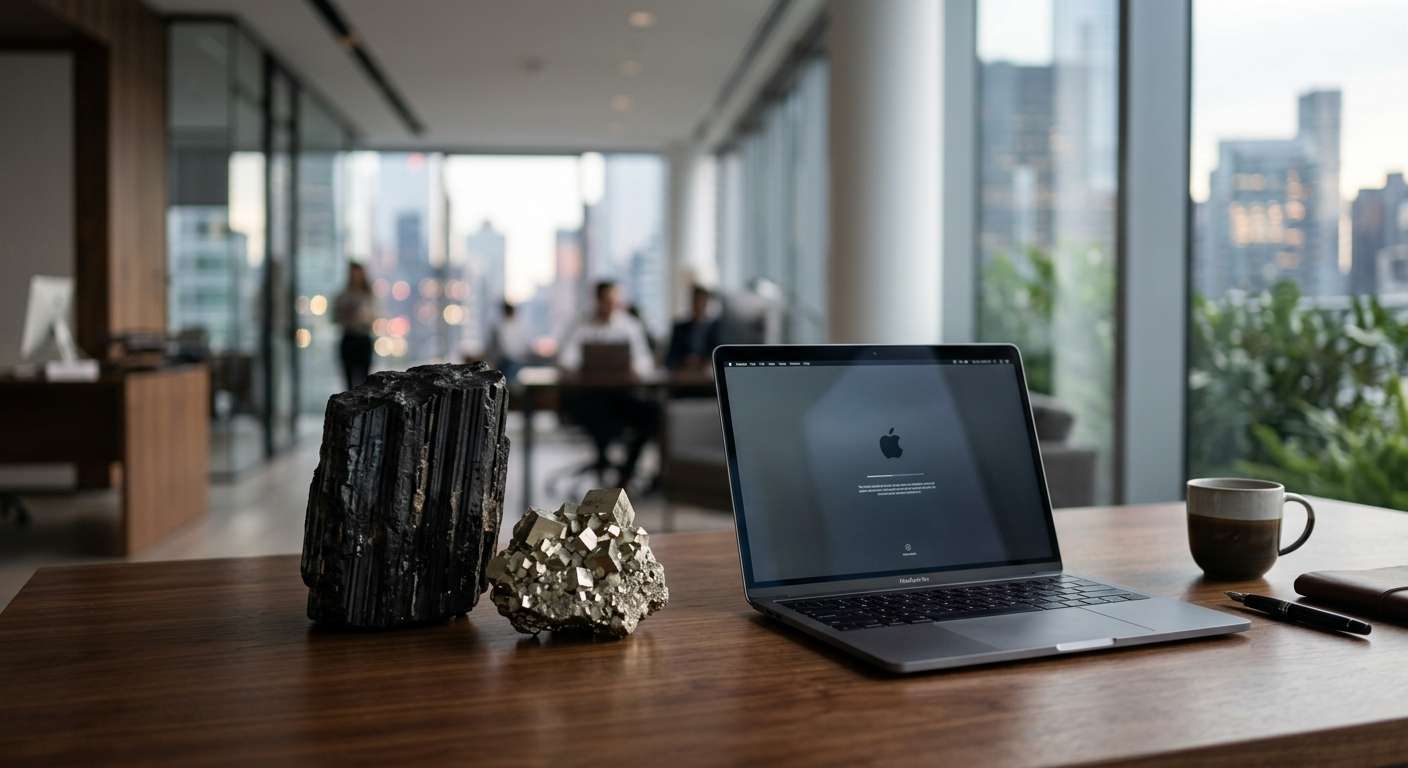
| Home office | Citrine or black tourmaline | Desk corner, not in front of the screen |
| Wealth corner | Citrine or brass money tree | Keep the surface clear and the object intentional |
How Do You Activate the Feng Shui Wealth Corner?
Stand at your front door looking into your home; the far-left corner is the wealth corner in the Black Hat school of feng shui. Clear the clutter, wipe the corner, place citrine or green aventurine there while stating one specific intention, and cleanse the stone monthly. The whole feng shui crystal placement ritual takes ten minutes; the activation is the intention, and the stone is its anchor.
Citrine has been called the merchant’s stone for centuries, and it remains our default for the feng shui wealth corner. Green aventurine is the understudy when the corner already holds a lot of warm color. One note from experience: wealth corners collect junk mail fast, so schedule the tidying; and a living plant beside the stone borrows Wood’s growth energy, which feeds Fire in the generating cycle. For a bolder traditional option, cinnabar carries the same intention in a Chinese register.
When Should You Move or Reset Your Crystals?
Re-cleanse and reposition your stones at each change of season and whenever a room feels heavy for no visible reason. The five elements rotate through the year — Wood in spring, Fire in summer, Earth in late summer, Metal in autumn, Water in winter — so a room’s needs shift with the calendar, and yesterday’s perfect feng shui crystal placement can become today’s dead weight.
The seasons themselves are the lesson. From winter to summer, yin wanes while yang waxes, and the motion reverses on the way back. The Yellow Emperor’s Inner Classic compressed it into one line: extreme cold gives birth to heat, extreme heat to cold; extremes turn into their opposites. So lighten the arrangement at midsummer and warm it at midwinter.
Feng Shui Crystal Placement: Quick Answers
Two questions cover most of what clients ask after a first feng shui crystal placement session, and both answers follow the same principle running through this guide: intention first, stone second, clutter never. A stone placed without reason is decoration; a stone placed with one becomes a quiet daily reminder. If your question is not here, walk back to the bagua map above — it settles most placement questions before they become problems.
Is it bad to keep crystals in the bathroom?
Not bad, but rarely useful. Bathrooms are the most private, damp rooms in the house, and humidity physically damages porous stones like selenite. If you want a stone in the bathroom, choose something dense and non-porous such as obsidian or polished quartz, keep it away from direct splash, and cleanse it more often than the rest of your collection. Treat the stone as a guest in that room, never a permanent resident. For the room itself, our guide to the feng shui bathroom explains why it is already yin.
Do I need to cleanse a crystal before placing it?
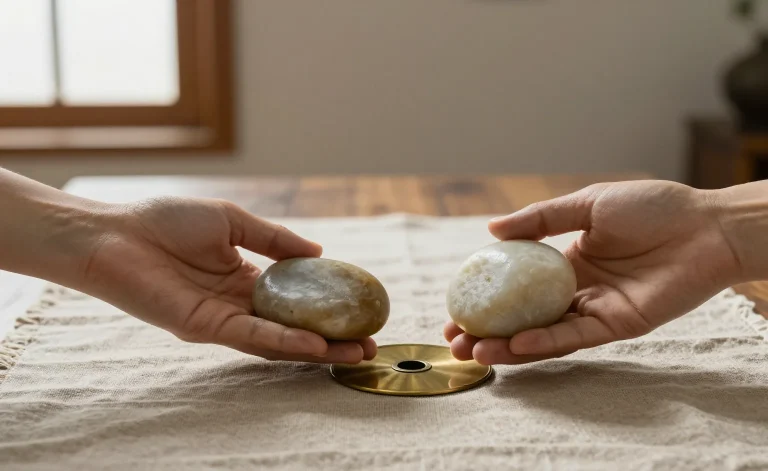
Yes — every stone you bring home has been handled, shipped, and handled again, and in feng shui terms it arrives carrying everyone else’s day with it. Cleansing resets the stone to a blank page so your placement intention is the first thing written on it. Smudging, moonlight, and sound all work; our guide to cleansing your crystal bracelet walks through the gentlest methods step by step.
The Takeaway: Let the Room and the Stone Agree
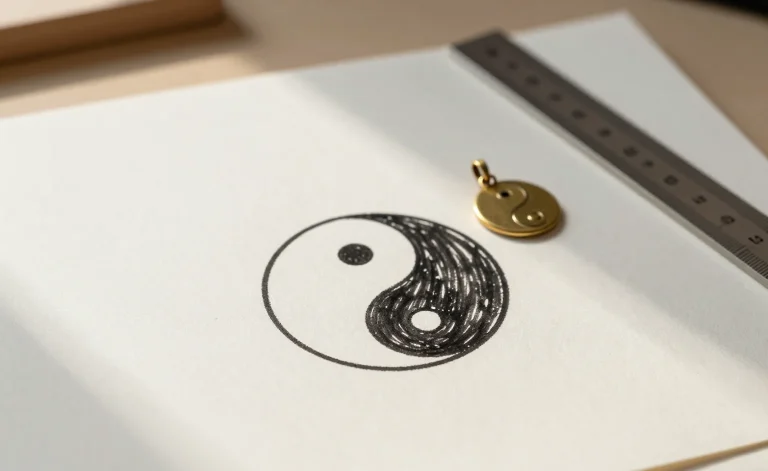
Feng shui crystal placement is not a puzzle with one right answer — it is a conversation between a stone’s character and a room’s purpose. Match direction to element, room to rhythm, refresh with the seasons, and keep every placement tied to a stated intention. This is the balance we design every 69player piece around, the Yin 6 / Yang 9 idea: stillness and motion, rest and reach, in one small object. Arrange your crystals that way, and your home will quietly do the same.
Related Notes
The feng shui entryway guide explains the yang-to-yin handover at the door, and the kitchen heat-and-water guide covers the room where fire and water meet. If you are choosing a first piece, start with the crystal gift guide.