Yin and Yang Energy: 9 Gentle Ways to Restore Balance in Modern Life

Every day you move between two currents: the urge to act and the need to rest. Ancient Chinese philosophers called these currents yin and yang energy, and they taught that health, clarity, and good fortune all flow from keeping the two in rhythm. At 69player, this idea anchors everything we create — the 6 of our name stands for yin, the deep stillness of night, while the 9 stands for yang, the bright momentum of day. When one current drowns out the other, life feels off-key. When they alternate gracefully, life feels effortless. Below, we unpack what yin and yang energy really means, how to spot imbalance in yourself, and nine gentle practices that help you balance your energy naturally — no incense-fogged room required, just small shifts you can start tonight.
What Yin and Yang Energy Really Means
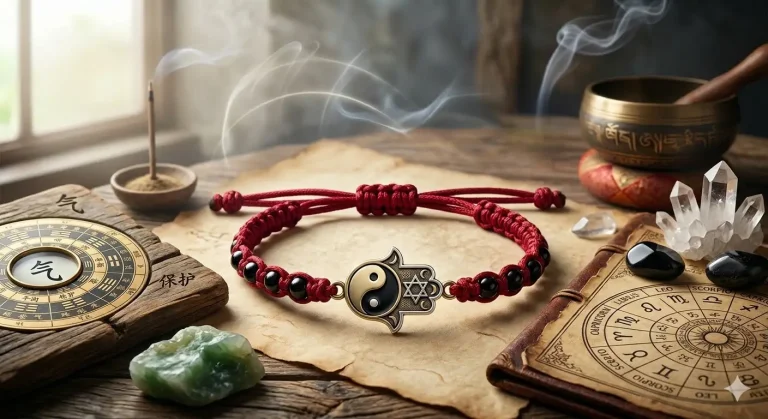
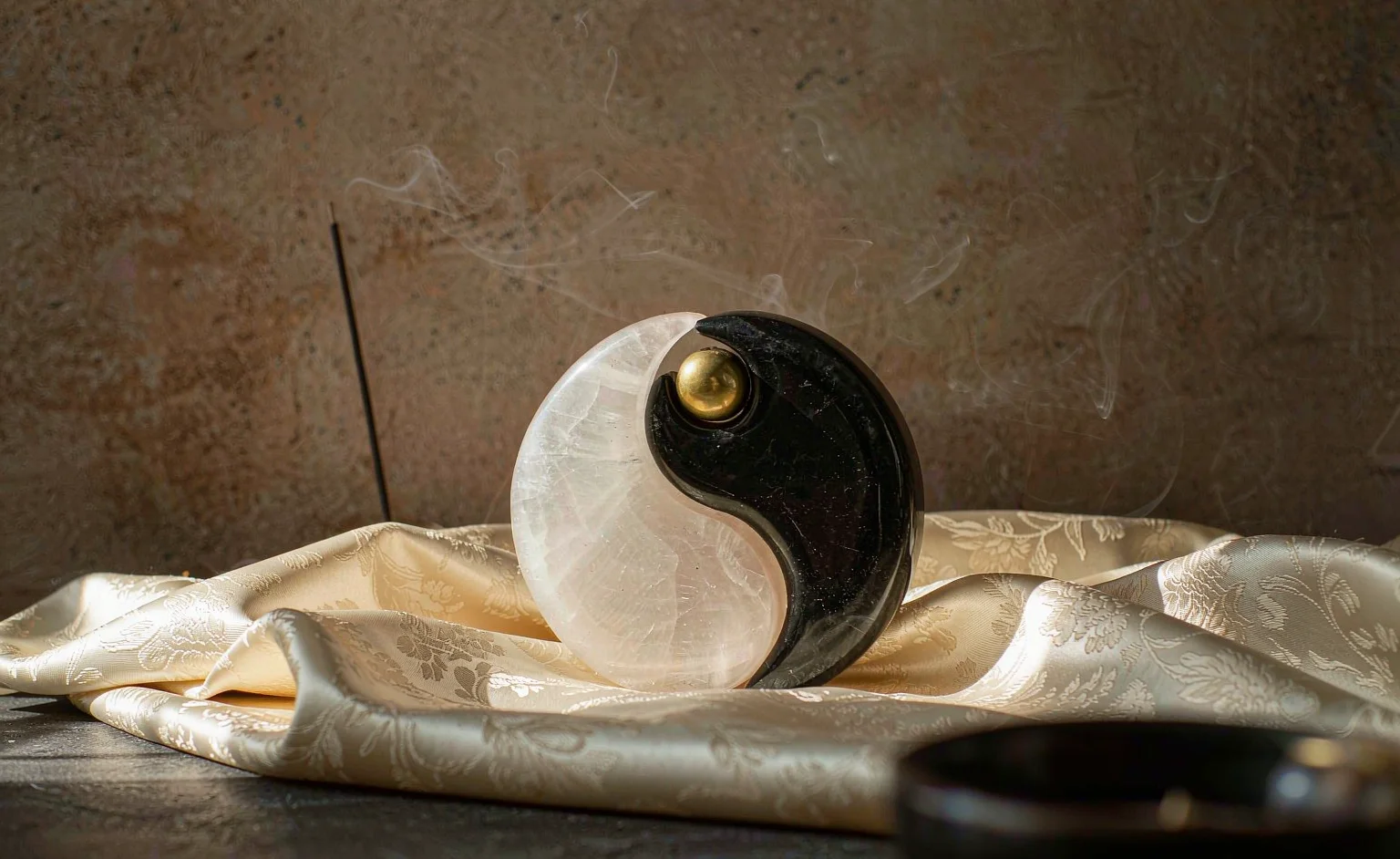
Yin and yang energy is not a war between opposites; it is a single breath with two phases. Yin is the inward phase — night, winter, coolness, stillness, receptivity, the moon. Yang is the outward phase — day, summer, warmth, movement, focus, the sun. The familiar taijitu circle shows each force holding a seed of the other, because in real life the two are forever turning into one another. The School of Naturalists, the ancient Chinese thinkers who wove this cosmology into five phases and flowing qi, saw the entire universe pulsing this way — seasons, tides, and the beating of your own heart included.
In practical terms, yin and yang energy describes your personal rhythm of output and recovery. A productive morning is yang; the deep sleep that repairs you is yin. Neither phase is good or bad — trouble begins only when the ratio collapses. Modern routines, flooded with screens, deadlines, and stimulation, tend to over-feed yang and starve yin, which is why so many of us feel simultaneously wired and exhausted.
The 6 and the 9: Stillness and Movement
We built 69player around this duality. The 6 represents yin — curved, inward, the posture of meditation and deep rest. The 9 represents yang — reaching upward and outward, the posture of action and expression. A bracelet that carries both numbers, like the designs in our guide to the 69 philosophy of yin yang balance, works as a quiet daily reminder that stillness and movement deserve equal seats in your schedule.
Yin Yang Imbalance Symptoms: How to Read the Signals
Your body broadcasts yin yang imbalance symptoms long before burnout becomes official. Reading them is not about diagnosis — it is about noticing drift early, while it is still easy to correct. Most people lean one of two ways:
- Signs of excess yang (too much fire, too little rest): racing thoughts at bedtime, sleep that never feels deep, a shortened fuse, restless over-scheduling, tension headaches, and feeling wired but tired.
- Signs of excess yin (too much stillness, too little spark): heavy fatigue that sleep does not fix, withdrawal from people and projects you usually love, feeling cold and sluggish, mental fog, and procrastination dressed up as rest.
Neither list is a medical judgment — persistent symptoms deserve a professional’s attention. But as a self-awareness map, these signals tell you which way to lean: if you are all fire, invite coolness; if you are all fog, invite light.
How to Balance Yin and Yang: Nine Gentle Practices
Here is the heart of this guide — how to balance yin and yang without turning your schedule upside down. Think of the nine practices below as small counterweights: each one nudges the seesaw back toward center, and together they teach you to balance your energy naturally, one ordinary day at a time.
Morning: Wake the Yang with Light and Movement
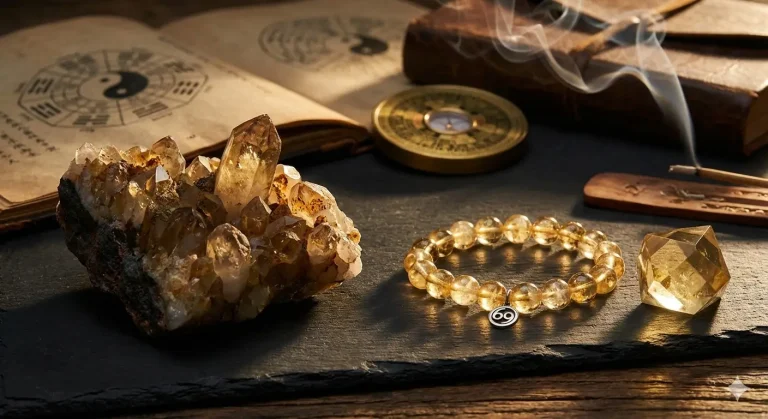
Open the curtains before you open your phone. Natural morning light is the most honest yang signal your body knows, and it sets your internal clock for the whole day. Follow it with five minutes of easy movement — stretching, slow squats, a short walk — so momentum rises from your body instead of your inbox. If you wear crystals, this is the moment for warm, activating stones like citrine, the classic yang gem.
Midday: Protect One Yin Pocket
Even the busiest day can hold a minute of stillness. After lunch, claim a ten-minute yin pocket: no screen, no podcast, just warm tea and a window. This micro-rest keeps yin and yang energy alternating in small waves all day, instead of forcing you to run on pure yang until midnight.
Evening: Welcome the Yin with a Sunset Ritual
An hour before bed, dim the lights and let the day’s yang dissolve. A warm shower, gentle stretching, three lines in a journal — these soft rituals tell your nervous system that the outward phase is over. Amethyst, with its cool violet calm, has accompanied wind-downs for centuries; the Gemological Institute of America describes it simply as the purple variety of quartz, yet generations have reached for its soothing character at precisely this hour. Keep the stone on your nightstand as your signal to slow down.
Night: Give Yin the Whole Dark
Sleep is the deepest yin practice there is, and no supplement replaces it. Keep your bedroom cool, dark, and quiet, and treat your bed as sacred ground for rest only. If your room fights you — mirrors facing the bed, clutter, harsh angles — our bedroom feng shui bed placement guide explains why the position of your bed shapes the depth of your sleep.
Movement: Alternate Effort with Ease
Balance your energy naturally by alternating intensity. Pair vigorous, sweaty yang workouts with slow, deliberate yin days — walking, stretching, tai chi. Traditional internal arts were designed precisely to braid effort and ease into one flowing motion, and your nervous system still speaks that ancient language.
Food: Eat with the Seasons
In the Naturalist view, even your plate carries the two phases. Cooling, moistening foods — cucumber, melon, mint, leafy greens — lean yin and suit hot, over-stimulated days. Warming, drying foods — ginger, cinnamon, roasted vegetables, slow-cooked soups — lean yang and suit cold, sluggish ones. Choose direction according to your signals, not fashion.
Digital Life: Bound the Yang Stream
Notifications, feeds, and endless scrolling are pure yang — constant motion with no recovery. Set two or three fixed windows for messages and news, and let the rest of the day stay single-tasked. Every unfollowed distraction is yin reclaimed.
Space: Let Your Room Breathe
Cluttered, stale corners read as stuck yin; harsh overhead glare reads as aggressive yang. Open windows daily, soften lighting after sunset, and clear one small surface completely. A balanced room makes balanced behavior almost automatic.
Crystals: Wear Your Reminder
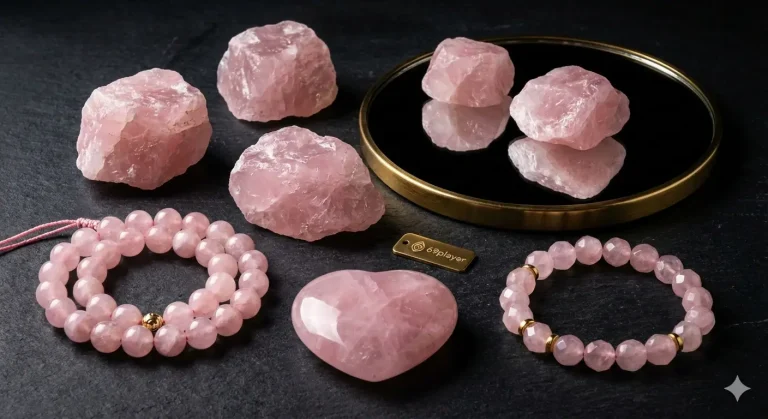
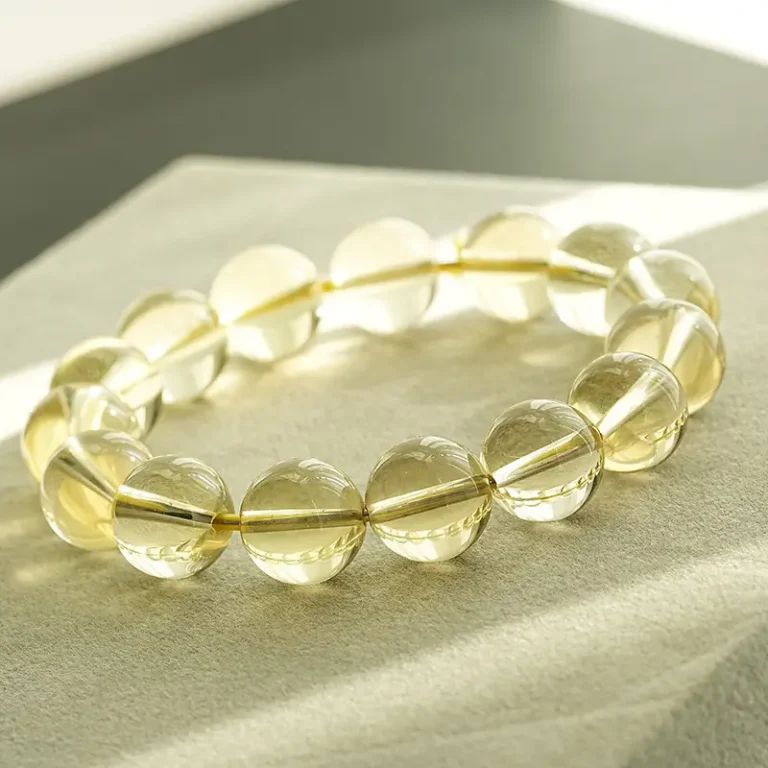
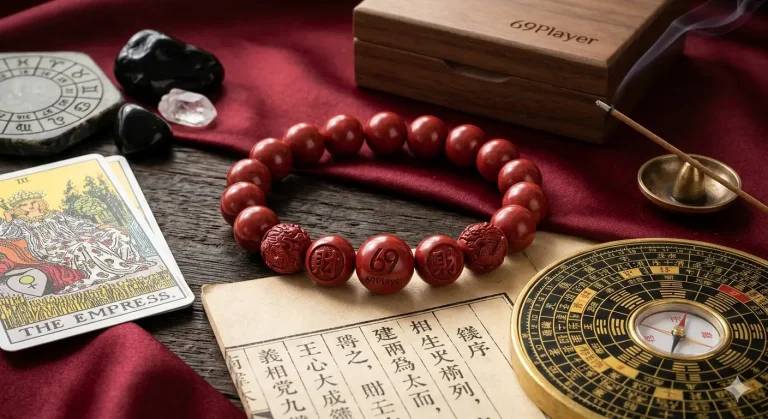
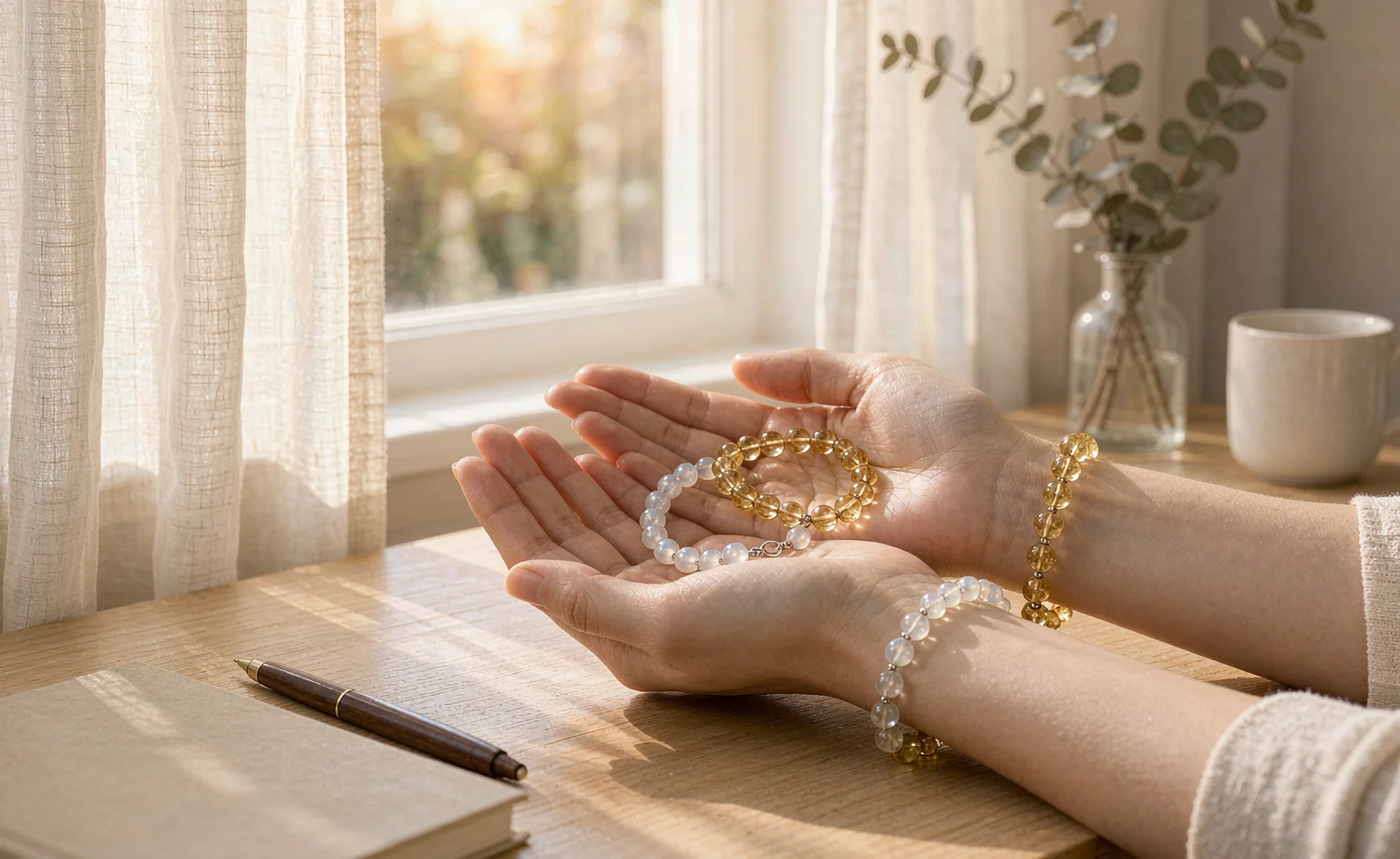
A bracelet that pairs a yin stone with a yang stone — amethyst with citrine, moonstone with garnet — keeps the lesson on your wrist. Crystals hold intention more than they hold magic, so treat yours kindly: to keep the energy of a well-worn bracelet clear, follow our guide on how to cleanse a crystal bracelet.
Yin and Yang in Daily Life: A Simple Weekly Rhythm
To see yin and yang in daily life clearly, sketch a typical week in two colors. Mark your yang blocks in one — deadlines, workouts, meetings, social evenings — and your yin blocks in the other: reading, baths, nature, doing nothing at all. Most people discover whole days of one color with barely a trace of the other. The fix is not a dramatic retreat; it is insertion. One yin hour inside a yang-heavy Wednesday. One bright, social morning inside a gray, inward weekend. Watch how quickly yin and yang energy rebalances when you stop demanding all-or-nothing and start honoring the alternation instead.
Frequently Asked Questions
Is yin or yang energy better?
Neither. Yin and yang energy are phases of one rhythm, not competing teams. Rest without action becomes stagnation; action without rest becomes burnout. The goal is alternation — the same way night and day take turns rather than fight for the sky.
How do I know which one I lack?
Look at your signals. Wired, restless, overheated, sleepless points to excess yang — invite stillness. Heavy, foggy, withdrawn, cold points to excess yin — invite light, warmth, and movement. Your body answers faster than any quiz.
Can jewelry really help balance yin and yang energy?
A bracelet will not balance your life by itself — but as a worn intention, it works like a string around the finger. Choosing yin stones for calm phases and yang stones for active ones keeps the lesson visible all day, and small visible reminders have a stubborn way of shaping what we do next.
Closing: Living the 69 Balance
The ancients who mapped yin and yang energy onto stars, seasons, and rivers were describing something you already know in your bones: nothing alive stays in one mode forever. Rest is what makes movement meaningful; movement is what makes rest possible. At 69player, we believe the good life is not found at either extreme but in the graceful handover between them — night passing into morning, effort dissolving into sleep, the 6 receiving the 9. Choose one practice from the list above, begin tonight, and let the rhythm restore itself, one alternating breath at a time.
If you want a wearable reminder of the rhythm, the Obsidian Yin Yang Necklace and the Aquamarine Tiger’s Eye Balance Amulet are two pieces built around the same idea: contrast held in one form.
Next Steps
For a daily schedule, read the 24-hour energy rhythm guide. The morning grounding ritual is the simplest place to start, and the crystal cleansing guide helps you reset the piece you wear.