Tibetan Buddhist Bracelet: A Modern Guide to Ancient Wisdom, Energy, and Intention

The Ultimate Guide to the Tibetan Buddhist Bracelet
In the relentless hum of the 21st century, where “Excess Yang”—burnout, digital noise, and constant action—has become the default state, many are looking back to ancient anchors to find their center. At 69player, we view the world through the lens of the 6 (Ultimate Yin) and the 9 (Ultimate Yang). We believe that mastery of one’s destiny is not about controlling the external world, but about mastering the “eternal dance of duality” within.
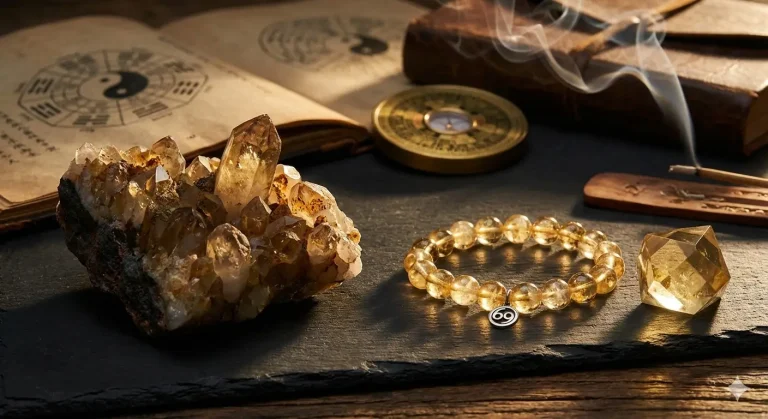
One of the most potent tools for this mastery is the Tibetan Buddhist Bracelet. Far more than a decorative accessory, these bracelets serve as “Vibrational Anchors” that align your internal frequency with the rhythms of the universe.
The Deep Symbolism Behind Your Tibetan Buddhist Bracelet
To understand the Tibetan Buddhist Bracelet, one must first understand the concept of Intention. In Eastern metaphysics, an object remains dormant until your consciousness “breathes life” into it. Traditionally, these bracelets have been used for centuries by monks and practitioners to count mantras, stabilize the mind during meditation, and offer a sense of spiritual grounding.
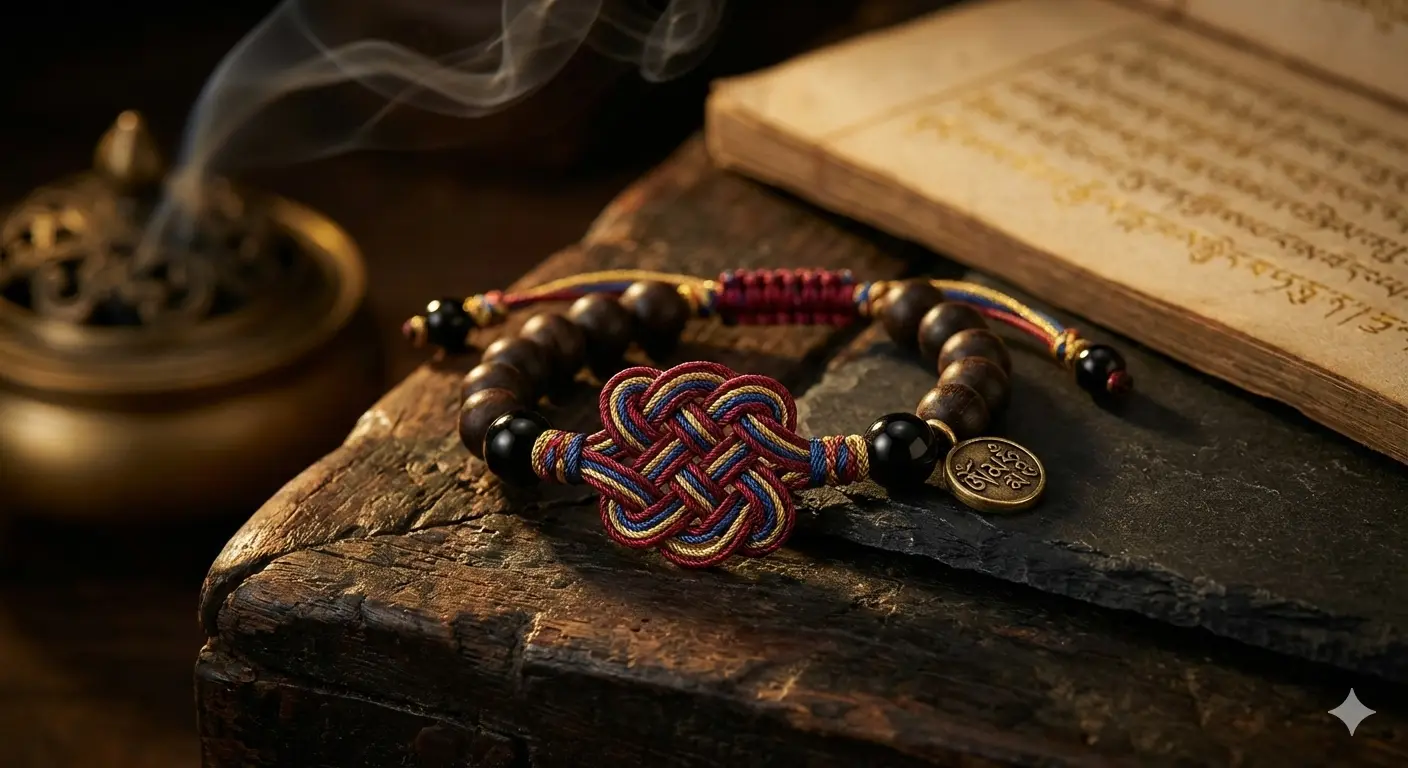
At the heart of many of these bracelets is the Endless Knot (or Reincarnation Knot). This symbol represents the Buddha’s infinite wisdom and the interconnectedness of all things. In the 69player philosophy, this knot is a visual representation of the Tai Chi curve—the flow between the 6 and the 9. It reminds the wearer that life is a cycle of “Change,” and by embracing that change, one becomes a “Player” rather than a spectator of fate.
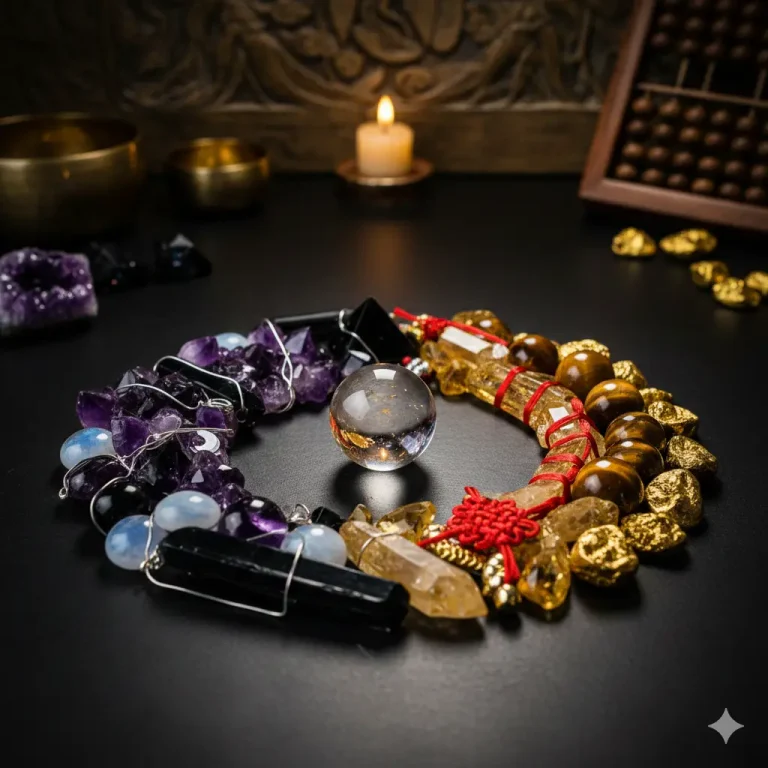
The materials used in a Tibetan Buddhist Bracelet are equally significant. Whether it is the grounding density of Sandalwood (representing the Wood element and the Green Dragon of the East) or the protective clarity of Black Obsidian (the Water element and the Black Tortoise of the North), each material is chosen to address a specific energetic imbalance.
The Meaning of Buddhist Prayer Beads: More Than a Trend
When we discuss the meaning of Buddhist prayer beads (traditionally known as Malas), we are discussing the technology of the spirit. A traditional Mala consists of 108 beads. In the 69player knowledge graph, the number 108 is sacred—it represents the 108 afflictions of the human mind that must be transformed into wisdom.
For the modern professional, wearing a bracelet that mirrors this tradition is a form of “Cognitive Anchoring.” When you touch the beads during a stressful meeting or a moment of anxiety, you are physically signaling your nervous system to return to a state of Yin (Rest/Absorption). This is what we call Energy Psychology—using physical objects to trigger a shift in the subconscious mind.
Spiritual Protection Jewelry: Deflecting the “Sha Qi” of Modern Life
In the world of Feng Shui, we often talk about Sha Qi—the “poison arrows” of negative energy. In a modern context, Sha Qi isn’t just a sharp corner of a building; it is the negativity of a toxic workplace, the drain of social media, and the “Poverty Mindset” that limits our growth.
Choosing spiritual protection jewelry is an act of “Energy Shielding.” Many Tibetan bracelets incorporate the Vajra (King Kong) symbol or the Six-Syllable Mantra (Om Mani Padme Hum). These are not magic spells; they are “Sound Medicine” and visual icons that remind you to maintain your “Unshakable Peak.” Like the Mountain archetype in our philosophy, this jewelry helps you remain stable while the storms of life swirl around you.
The use of the Red String is particularly prominent in Tibetan tradition. Red is the color of the Fire element (the Ultimate Yang/9-Energy). It is traditionally associated with the “Vermilion Bird” and is believed to promote a sense of vitality and protection. In our 69player framework, the Red String acts as a “Circuit Breaker” for negative thoughts, keeping your internal fire burning bright.
How to Integrate a Tibetan Buddhist Bracelet into Modern Mindfulness Rituals
A tool is only as effective as the person using it. To transition from a “Spectator” to a “Player,” you must move beyond passive wearing and engage in active mindfulness rituals. These rituals don’t require hours of meditation; they require consistent, focused intention.
- The Morning Calibration: Before putting on your Tibetan Buddhist Bracelet, hold it in both hands. Close your eyes and visualize your goal for the day. Are you seeking the “Wisdom of Water” (6/Yin) to navigate a conflict, or the “Expansion of Fire” (9/Yang) to launch a project?
- The Breath Bridge: Throughout the day, use the bracelet as a tactile reminder. Every time your hand catches your eye, take one conscious breath. This simple act breaks the “lethargy of the spirit” and realigns you with the present moment.
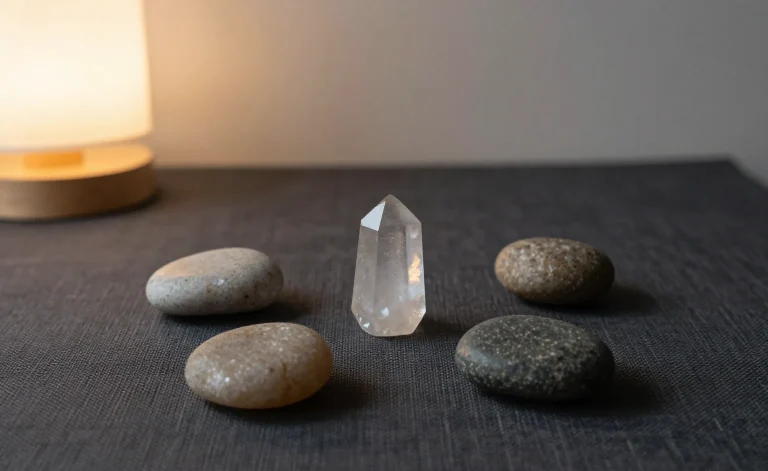
- The Evening Cleansing: At the end of the day, remove the bracelet and place it on a clean surface (ideally near a piece of Selenite or a Clear Quartz). This symbolically “clears” the energetic noise gathered during the day, preparing both you and the tool for a fresh start.
By incorporating these mindfulness rituals, you transform a piece of jewelry into a partner in your personal growth. You are no longer just wearing a bracelet; you are maintaining your personal “Qi” (energy).
Energy Balancing Tools: The Wu Xing (Five Elements) Approach
At 69player, we categorize our collection based on the Wu Xing system—the five elemental energies that govern the universe. A Tibetan Buddhist Bracelet can serve as one of your primary energy balancing tools by compensating for the elements you lack in your current life stage.
- Wood (Growth/Compassion): If you feel stuck in your career or lack creativity, seek bracelets with green stones or wooden beads. This invokes the “Green Dragon” energy of new opportunities.
- Fire (Action/Fame): If you are battling “Excess Yin” (depression or lethargy), the red strings and cinnabar-infused beads of a Tibetan bracelet provide the “9-Energy” needed for expansion.
- Earth (Stability/Wealth): For those feeling ungrounded or flighty, stones like Tiger’s Eye or Citrine provide the “Unshakable Peak” energy, helping you accumulate wealth and stay centered.
- Metal (Order/Precision): When life feels chaotic, the “White Tiger” energy of silver or white crystals helps you cut through the noise and find focus.
- Water (Wisdom/Insight): For deep “Shadow Work” and intuition, black stones like Obsidian represent the “6-Energy,” allowing you to absorb wisdom and flow through obstacles.
The Allusion: The Master of Flow and the Ancient River
There is a Zen parable about a student who asked his teacher how to find peace in a world of conflict. The teacher pointed to a river. “The river does not fight the rocks,” he said. “It simply finds the curve. It flows over, under, and around. It is the Master of Flow.”
Wearing a Tibetan Buddhist Bracelet is a reminder to be like that river. The beads represent the “rocks” (the obstacles) of life, but the string that holds them together represents the “Dao”—the path of balance. When you wear this symbol, you are aligning yourself with the 2,000-year-old wisdom of sages who understood that true power comes not from force, but from alignment.
Conclusion: Choosing Your Vibrational Anchor
In the philosophy of 69player, the goal is never to be “perfect,” but to be “balanced.” Whether you are drawn to a Tibetan Buddhist Bracelet for its aesthetic beauty, its cultural history, or its role in your personal mindfulness rituals, you are making a conscious choice to prioritize your energy.
As you browse our curated collection, remember our core principle: It remains a mere object until your intention breathes life into it. Choose the piece that resonates with your current frequency, and let it serve as the bridge between the ancient wisdom of the East and the dynamic lifestyle of your Western world.
Health and Results Disclaimer
Disclaimer: The content provided in this blog, including all discussions regarding the Tibetan Buddhist Bracelet, is for educational, cultural, and symbolic purposes only. These products are intended as tools for personal intention setting and are traditionally associated with spiritual well-being. They are not intended to diagnose, treat, cure, or prevent any physical or mental health conditions. For any medical, psychological, or financial concerns, please consult a qualified professional. Results from using these items are subjective and based on individual belief and practice; no specific outcomes are guaranteed.